Craft
Hand-Knotted Rugs
A hand-knotted rug is built knot by knot. What that means, how to recognise quality, and how hand-knotted, hand-tufted and machine-woven rugs actually differ.
Knot by knot, by hand
In hand-knotting, every single pile tuft is looped around the stretched warp threads by hand and secured with the weft. Nothing about it is automated. A medium-sized rug carries millions of such knots — and each one is a decision about colour and position. That is precisely what separates a hand-knotted rug from any industrial product: a surface with minute irregularities that comes alive in changing light, and a construction that outlasts generations rather than years.
Persian knotting is dominated by the asymmetric Senneh knot, which allows exceptionally fine pattern resolution; Anatolian traditions favour the symmetric Ghiordes knot, which produces a more robust pile. Both techniques have been refined over centuries and are still executed entirely by hand.
Hand-knotted, hand-tufted, machine-woven
The three terms are often blurred in retail. They describe fundamentally different methods.
| Method | How it is made | Lifespan |
|---|---|---|
| Hand-knotted | Every knot tied by hand around the warp. The pile is part of the base construction. | Decades to generations. Repairable, restorable, often holds its value. |
| Hand-tufted | Yarn is shot into a backing cloth with a hand-held gun and glued from behind. | A few years. The adhesive ages and the pile begins to shed. |
| Machine-woven | Industrial loom, pattern driven by programming. High volume, exact repetition. | A functional product. Good for everyday use, not an object for restoration. |
We deliberately offer both: six hand-knotted collections, plus the Edition Collection as a machine-made line for rooms where everyday practicality comes first. How each collection is made is stated on its own page.
Knot density — what it means and what it does not
Knot density is measured in knots per square metre and is the single most important quality indicator. It determines how finely a pattern can be resolved: a curved line, a colour gradient, a delicate border repeat all need density, otherwise they turn stepped.
Everyday quality
Coarser densities carry bold, flat patterns and geometric forms. Robust, forgiving, suited to heavily used rooms.
Fine quality
Medium densities allow nuanced pattern work and soft colour transitions — where most of our designer rugs sit.
Master quality
Up to 1.5 million knots per square metre. At this level motifs resolve so finely that the rug reads like a painting from a distance. Knotting time rises accordingly.
Density alone does not make a good rug. A coarsely knotted nomadic piece in hand-spun highland wool can be clearly superior to a fine but poorly dyed one. Density is one factor among several.
Materials
What sits in the pile determines handle, the way light behaves, and durability.
Virgin wool
The backbone of the knotted rug. Highland wool naturally contains lanolin, which repels dirt and moisture and keeps the pile resilient. Good wool grows more beautiful over the years rather than duller.
Merino
An especially fine fibre with a soft handle and dense appearance. We use it where a calm, even surface is called for.
Natural silk
The highest tensile strength at the finest diameter, and a lustre that shifts with the viewing angle. Used for pattern accents or for entire rugs in master quality.
Bamboo silk
A plant-based fibre with a silky sheen and a pleasing drape. An accessible alternative to natural silk with a character of its own.
Mohair & alpaca
Long-staple luxury fibres with natural lustre and pronounced texture. They give the pile depth and a noticeably different feel.
Cork & viscose
For texture-led qualities and contemporary surfaces where handle matters more than pattern resolution.
Origin and production time
Our hand-knotted rugs are made in the classic knotting regions — among them Ghom, Isfahan, Nain, Tabriz, Kerman and Bidjar, each with its own knotting tradition, pattern culture and understanding of quality. We work with the same workshops year after year, because consistency in colour and knotting only comes from relationships, not from orders.
A medium-sized rug in fine quality occupies a weaver for months. A master-quality piece in a bespoke size can stay on the loom for over a year. That time is the main reason a hand-knotted rug costs what it costs — and the reason it cannot be rushed.
How to judge quality yourself
- 01
Turn the rug over. On a hand-knotted piece the pattern is clearly visible from the back, because the pile passes through the construction. A tufted rug shows a backing cloth instead.
- 02
Look at the knot rows on the reverse. Slight irregularities are a good sign — perfect uniformity points to machine work.
- 03
Examine the fringes. On a genuine knotted rug they are the continuation of the warp threads, not a sewn-on trim.
- 04
View the pile from two directions. A good wool rug shifts markedly between light and dark — that is the pile direction, not a flaw.
- 05
Ask about the dyeing. Plant-dyed yarns show subtle colour variation within a single field (abrash), which gives the rug depth.
Our hand-knotted collections
Six collections, each with its own signature. Every piece is also available in bespoke sizes and custom colourways.
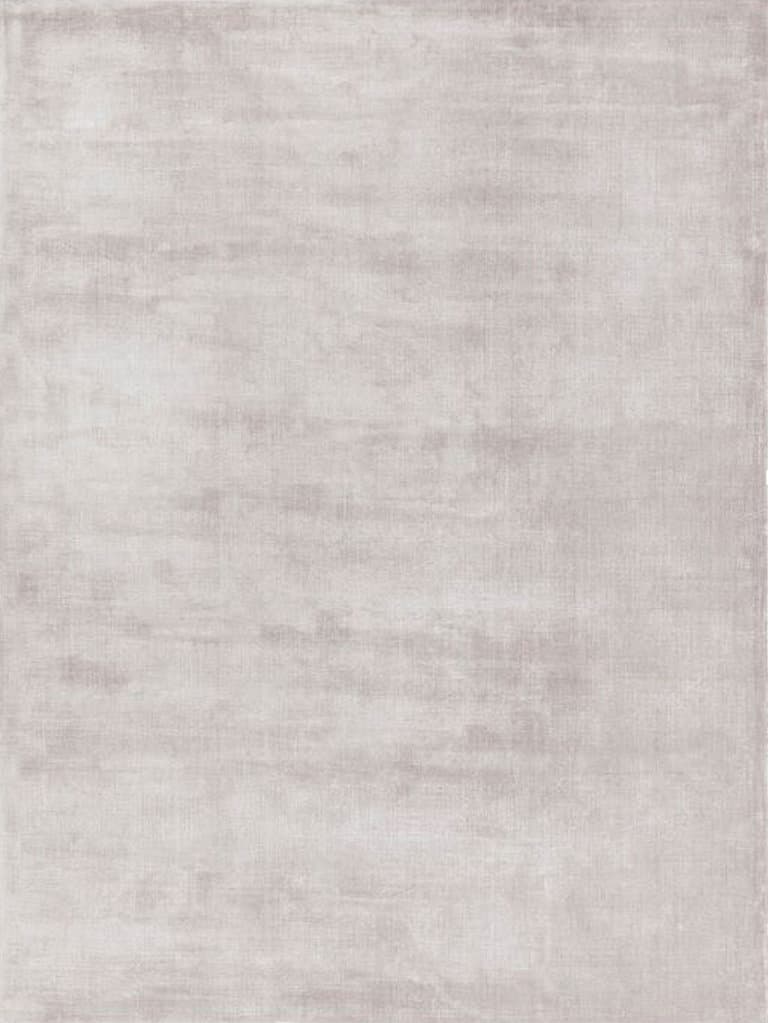
Plain Collection
A textile concept shapes the character of a room to a special degree, brings rooms to life and gives them their homely atmosphere. The carpets of our Plain Collection come to you in exclusive colors and high-quality materials, at the same time they are comfortable and durable in use.
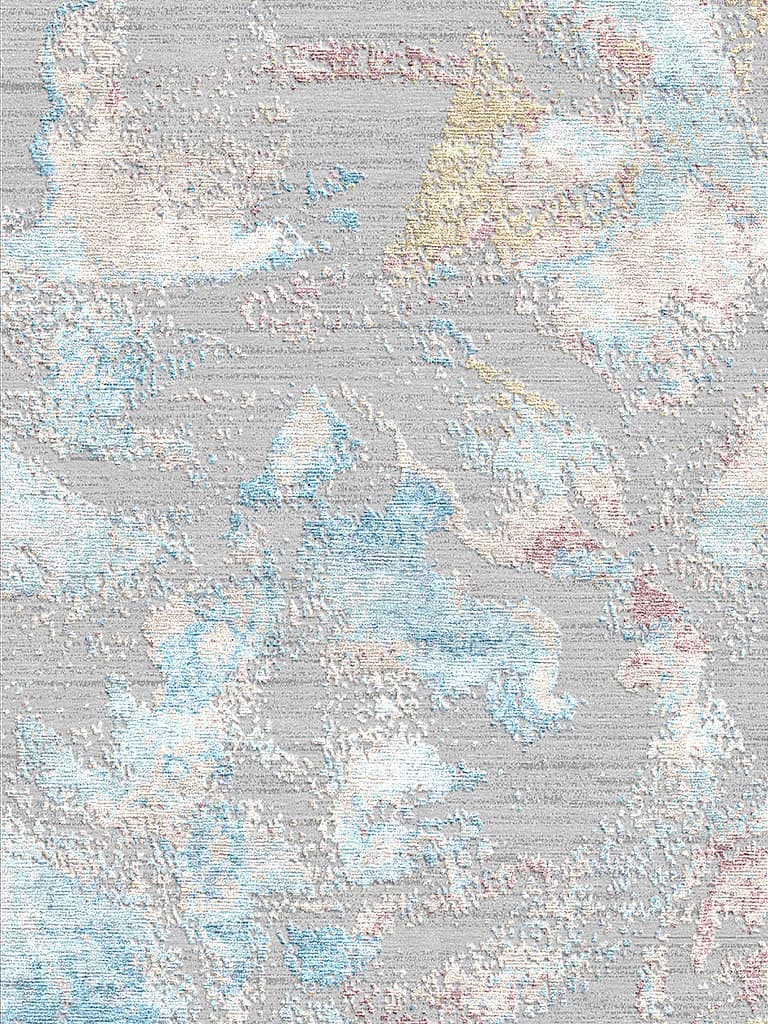
Skyview Collection
The Skyview Collection combines modern aesthetics with traditional knotting art. Inspired by aerial views and landscapes, abstract patterns of fascinating depth emerge.
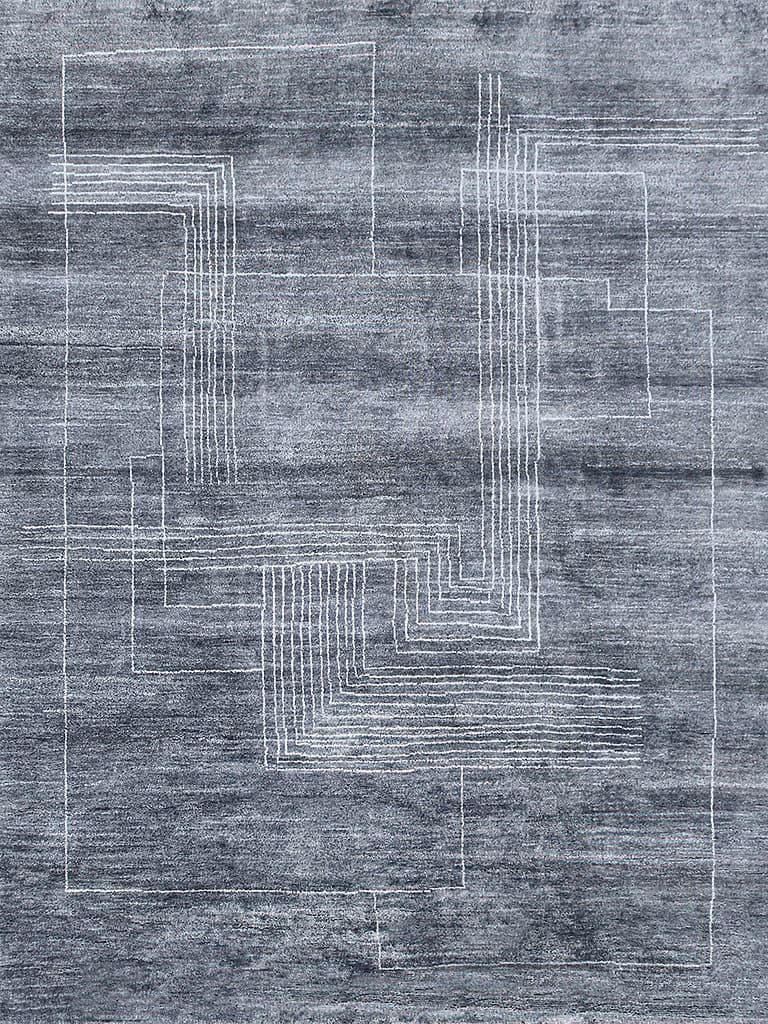
Nomadic Collection
Hand-knotted masterpieces reflecting the rich culture of nomads. Each rug tells a story from a world full of tradition, movement, and cultural heritage.
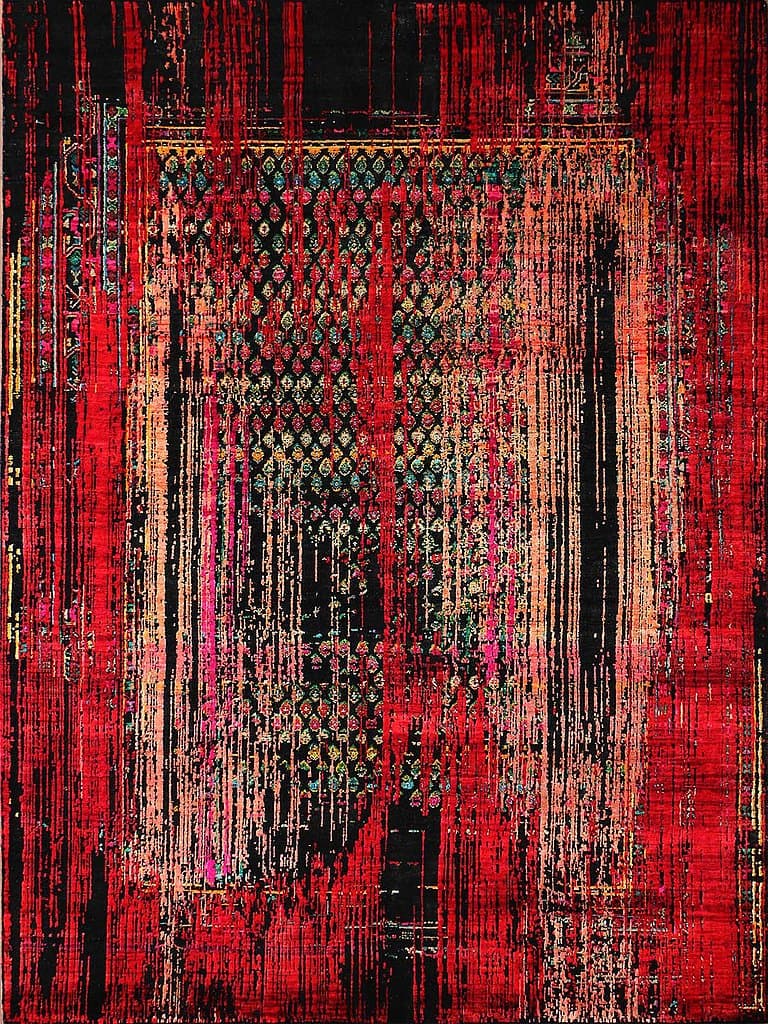
Radiance Collection
Hand-knotted rugs made of the finest wool in a modern-abstract design language. Characteristic vertical stripes and structured surfaces give the rugs a unique feel.
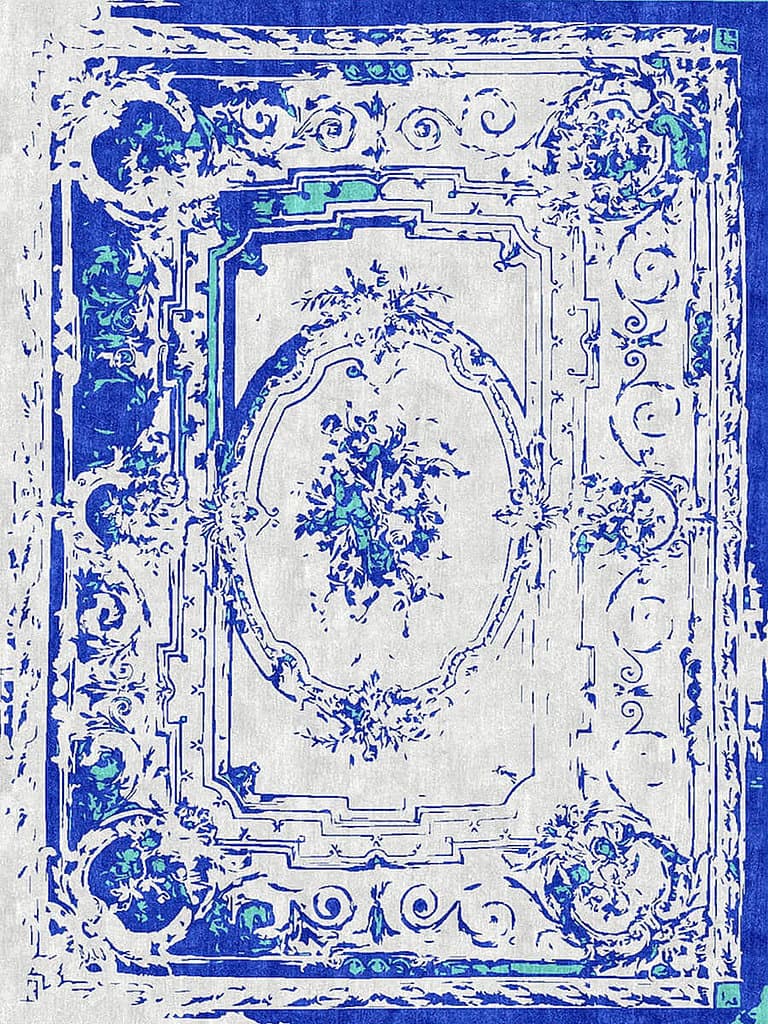
Designer Collection
Exclusive collaboration with international designers. Each rug in this collection is a statement — bold, innovative, and unmistakable in its design.
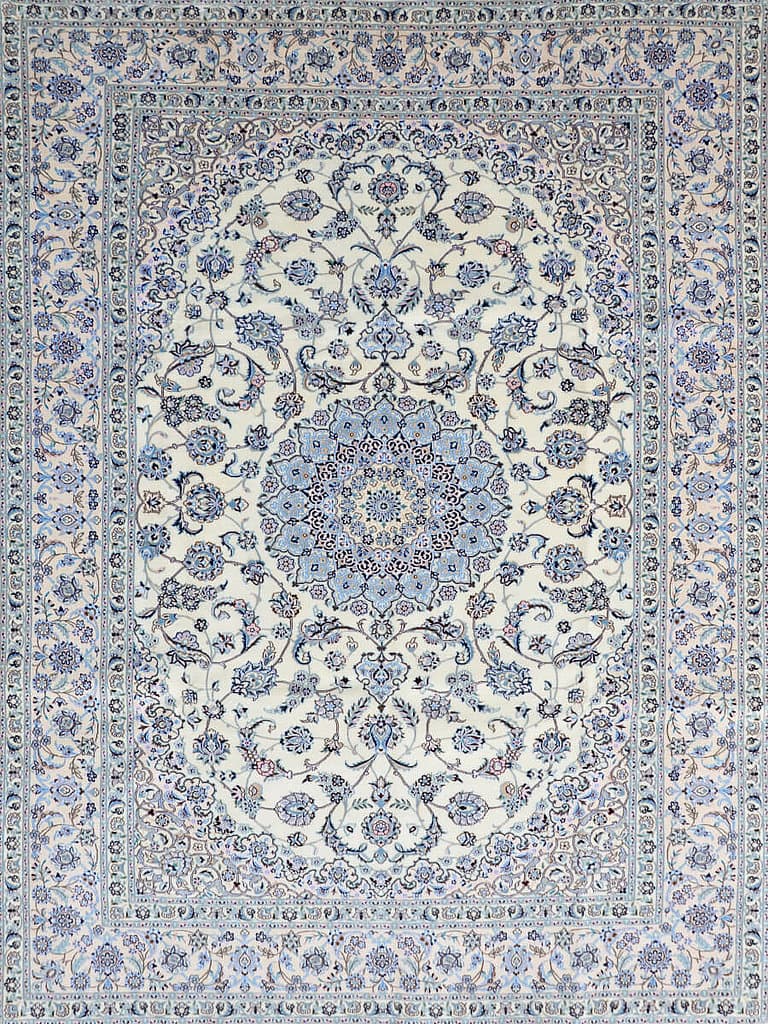
Traditional Collection
Classic rugs from the great knotting regions of the world. Authentic patterns and colors passed down over centuries — timelessly beautiful and of the highest quality.
Seeing is what decides
A hand-knotted rug cannot be judged on a screen. Visit the gallery — or we will bring selected pieces to your rooms on approval.